Manufaktur Bavaria · A personal commission
Vicuña.
From the Andes to you.
A rare fibre. A coat for one person. Your personal commission takes shape at our atelier in Landshut, Bavaria.
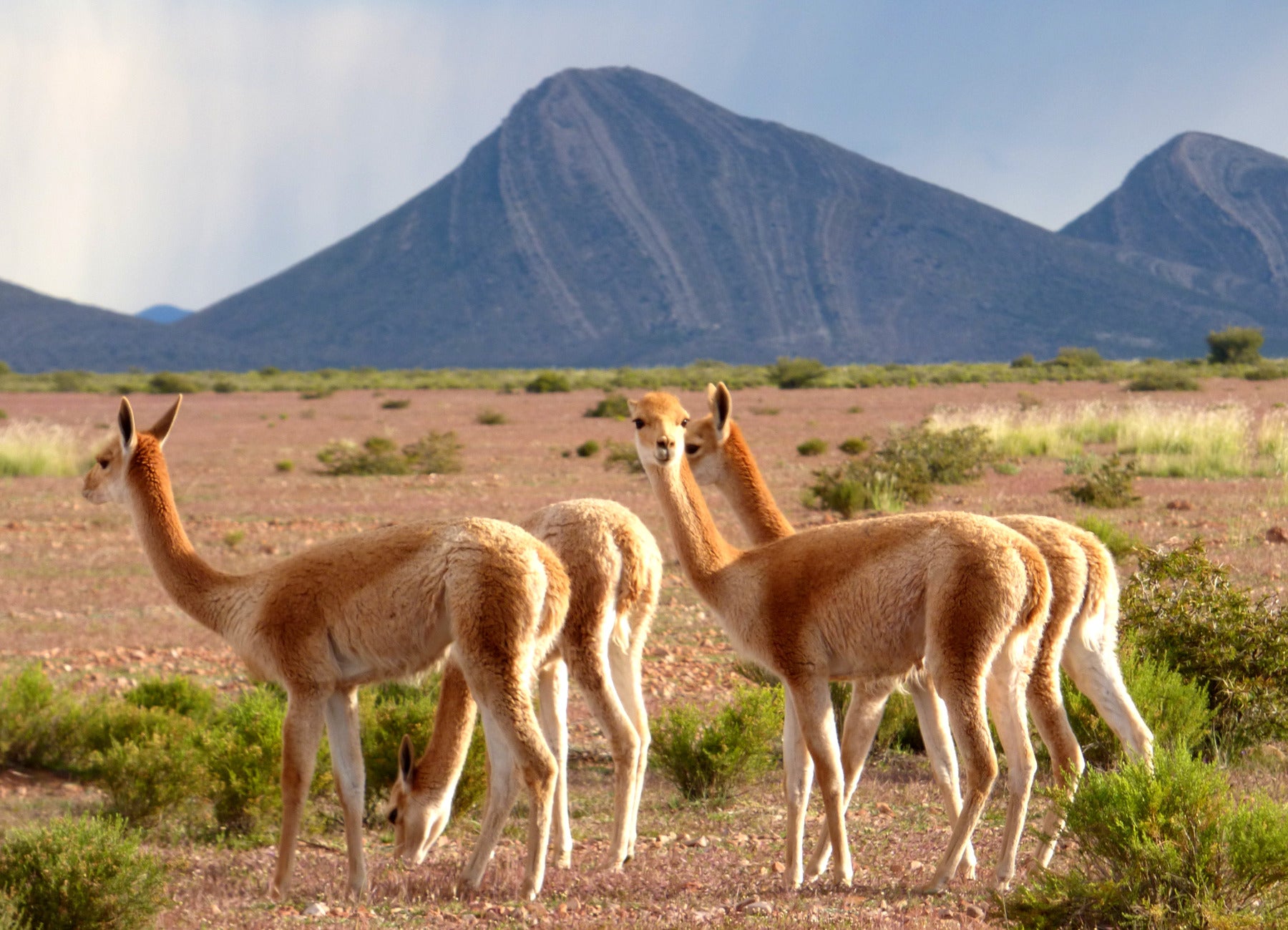
01 · The origin
A fibre that takes its time.
Vicuñas live wild in the South American highlands. During the chaccu, the animals are gathered, shorn alive and released. Local communities and wildlife protection shape this tradition.
Around 200 gramsOf fibre per animal, every three years — a scale reported by the Ayacucho agricultural authority. Yield and shearing intervals vary with region and practice. Read the source.
For your coat, the documented origin of the selected cloth matters. We verify it with the cloth house before your wish becomes a commission.
02 · The fibre in figures
What makes vicuña
can be measured.
Fineness, quantity, origin — measured by researchers, authorities and fibre bodies. Cashmere and merino alongside, so you can compare.
- 12.7 µmmean fibre diameter of adult vicuñas, measured in the Cusco region of Peru1
- around 165 gof fleece per animal and shearing — in Ayacucho, an animal is shorn about every three years1, 2
- around 7 tof vicuña fibre leave South America for export each year3
| Vicuña | Cashmere | Merino | |
|---|---|---|---|
| Fibre diameter | 12.7 µm (adult animals)1 | at most 19 µm; finest qualities around 14 µm4, 5 | around 19 µm on average; superfine from about 16 µm6, 7 |
| Per animal | around 165 g of fleece per shearing, about every three years1, 2 | around 150 g of underdown a year5 | around 4.2 kg of clean wool per shearing6 |
| Per year | around 7 t exported from South America3 | around 6,500 t of pure cashmere (estimate)5 | around 2.1 million t of sheep’s wool overall (greasy)7 |
| Origin | Peru, Bolivia, Argentina, Chile, Ecuador8 | mainly China and Mongolia5 | Australia (nearly a quarter of all sheep’s wool), China, New Zealand7 |
More than two animals per metreOne running metre of our cloth weighs 420 g. A shearing yields around 165 g of fleece, weighed before dehairing. Your coat needs several metres.9, 1
Sources
- Pacheco et al. 2019 — fibre diameter and fleece weight, Cusco region (302 samples, 633 fleeces)
- Dirección Regional Agraria Ayacucho, 18 Sep 2023 — around 200 g of fibre per animal, every three years
- Mecardo (A. Woods), 28 May 2024 — around 7 t exported a year; raw fibre around three times good cashmere
- Wool Products Labeling Act, 15 U.S.C. § 68b(a)(6) — cashmere: mean fibre diameter of at most 19 µm
- DNFI, Cashmere (data: FAO 2009, DNFI 2020) — 150 g of underdown per animal a year; top quality 14 µm; 6,500 t of pure cashmere; China, Mongolia
- NSW Department of Primary Industries — merino, average of 59 bloodlines: 19.0 µm, 4.2 kg clean wool
- DNFI, Wool (data: IWTO 2016, IWTO+DNFI 2021) — superfine merino from 16 µm; 2.1 million t greasy wool; Australia nearly 25%
- Regulation (EU) 2026/1383, Annex — vicuña: populations in Peru, Bolivia, Argentina, Chile, Ecuador; label “VICUÑA [country of origin]”
- Scabal, fabric catalogue (bunch C1801 “Pure Vicuna”) — 100% vicuña, 420/520 g per running metre, twill, yarn-dyed, selvedge
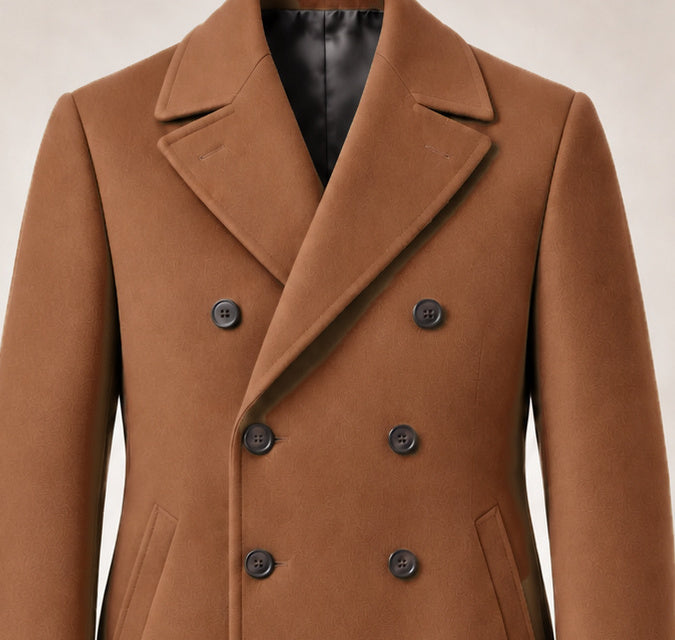
03 · The cloth
Scabal Pure Vicuna.
A quiet lustre.
100% vicuña from Peru, woven in a twill, 420 or 520 grams per running metre — in light brown, black and dark blue. The selvedge reads “Scabal · 100% Pure Vicuna · Vicuna fibres from Peru”. We select the actual cloth with you, in the hand.
from $31,000Your vicuña coat: knee length, 420 g, single-breasted, in black or dark blue, silk-lined. The cloth comes from a limited lot; your proposal confirms the length available. Not available for delivery to California.
What your price includes
- The clothScabal Pure Vicuna, 100% vicuña from Peru — the selvedge says so.
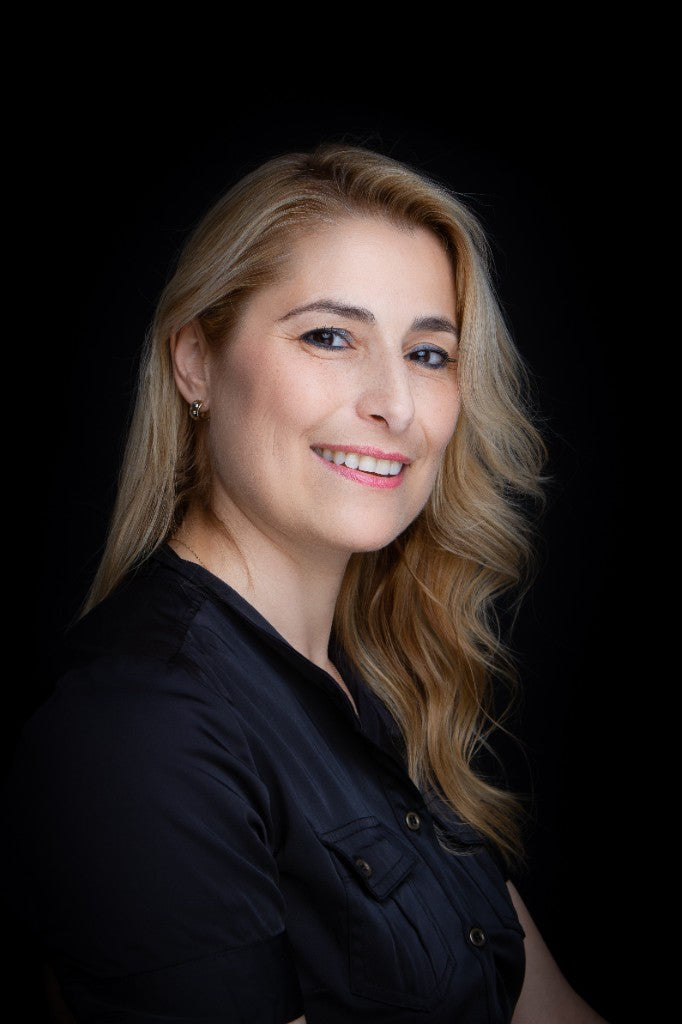
- Your measureIn person in Landshut, or by video with Yeşim Küçükay.
- The toileA cotton fitting garment over your jacket. No vicuña is cut until the toile fits.
- The makingFull silk lining and horn buttons, made by hand in our atelier in Landshut.
- Your provenance fileCloth record, selvedge and documents of origin for your coat — under the number in its lining.
Your price follows the cloth weight, the cut and the length.
Further vicuña qualities, including Loro Piana, on request.
04 · The journey
From a shearing in the Andes
to you.
Andes
The chaccu
Vicuñas live wild on the puna, between 3,200 and nearly 5,000 metres. Communities gather them, shear them alive and release them; in Peru, regional governments authorise and supervise every chaccu.10, 11
Peru
The fibre
The fine undercoat is separated from the coarse guard hair. Only then is it spun.
Scabal
The cloth
Scabal Pure Vicuna, bunch C1801: woven in a twill, yarn-dyed, 420 or 520 grams per running metre. The selvedge reads “* SCABAL * 100% PURE VICUNA * VICUNA FIBRES FROM PERU”.9
Landshut
Measure, toile, cut
We take your measurements in person in Landshut, or by video with Yeşim Küçükay. Then the toile, a fitting garment in cotton. No vicuña is cut until the toile fits. We then make your coat in our atelier, fully lined in silk, with horn buttons.
For you
The handover
In person in Landshut, or by the route we agree with you. With the coat, we hand over its provenance file.
Sources
- IUCN SSC South American Camelid Specialist Group (GECS) — range 3,200 to nearly 5,000 m; around 10,000 animals in the mid-20th century; Least Concern since 2008
- SPDA / Actualidad Ambiental, 5 Apr 2024 — Peru: 208,899 vicuñas (2012 census), 67,821 (1994); chaccus authorised by regional governments
05 · The house in Landshut
One person.
A personal path to fit.
Our atelier makes the robes of every Unified Patent Court judge, at first instance and on appeal. Each robe is individually made and personalised. The same hands accompany your coat, with the care and precision of our house.
Measure
In person in Landshut, or from home with our guidance by video.
Toile
A cotton fitting garment establishes posture, length and freedom of movement.
Fitting
Only after checking the fit do we cut the chosen cloth. Yeşim accompanies the making through to handover.
06 · Your provenance file
What we tell you,
we document.
For every vicuña coat, we open a file of its own. It shows where the cloth comes from and how the coat was made.
- The cloth recordThe delivery note and invoice for your length, without prices.
- The selvedgePhotographed on your length before we cut it.
- The documents of originThe evidence of lawful origin for this cloth.
- Your toileThe fitting record: measurements, corrections, date.
- The makingPictures from our atelier, from cutting to handover.
- For delivery outside the EUThe re-export certificate your coat needs for it.
A label in the lining carries your coat’s number. It leads to your file: printed at handover, online for you alone.
The printed file belongs with the coat — also when, one day, it is passed on.
Before your commission.
How do we choose the cloth?
We discuss your wishes and show you the available qualities. A personal swatch, its composition and documented origin are part of that choice.
How do I care for my coat?
Care depends on the actual cloth, lining and construction. Your coat comes with its own care guidance; cleaning should be discussed with a specialist experienced in that quality.
What does a vicuña coat cost?
From $31,000 for the single-breasted, knee-length coat in 420 g. Your proposal states the price of your coat — cloth weight, cut and length — the lead time, and the length of cloth available from the limited lot. Payment in full with your commission. We cannot deliver vicuña to California.
Your personal coat
A cut.
For your life.
Cut, length, lining and details are considered around you. Your proposal states the price of your coat, from $31,000.
Discuss your vicuña coatContact the atelier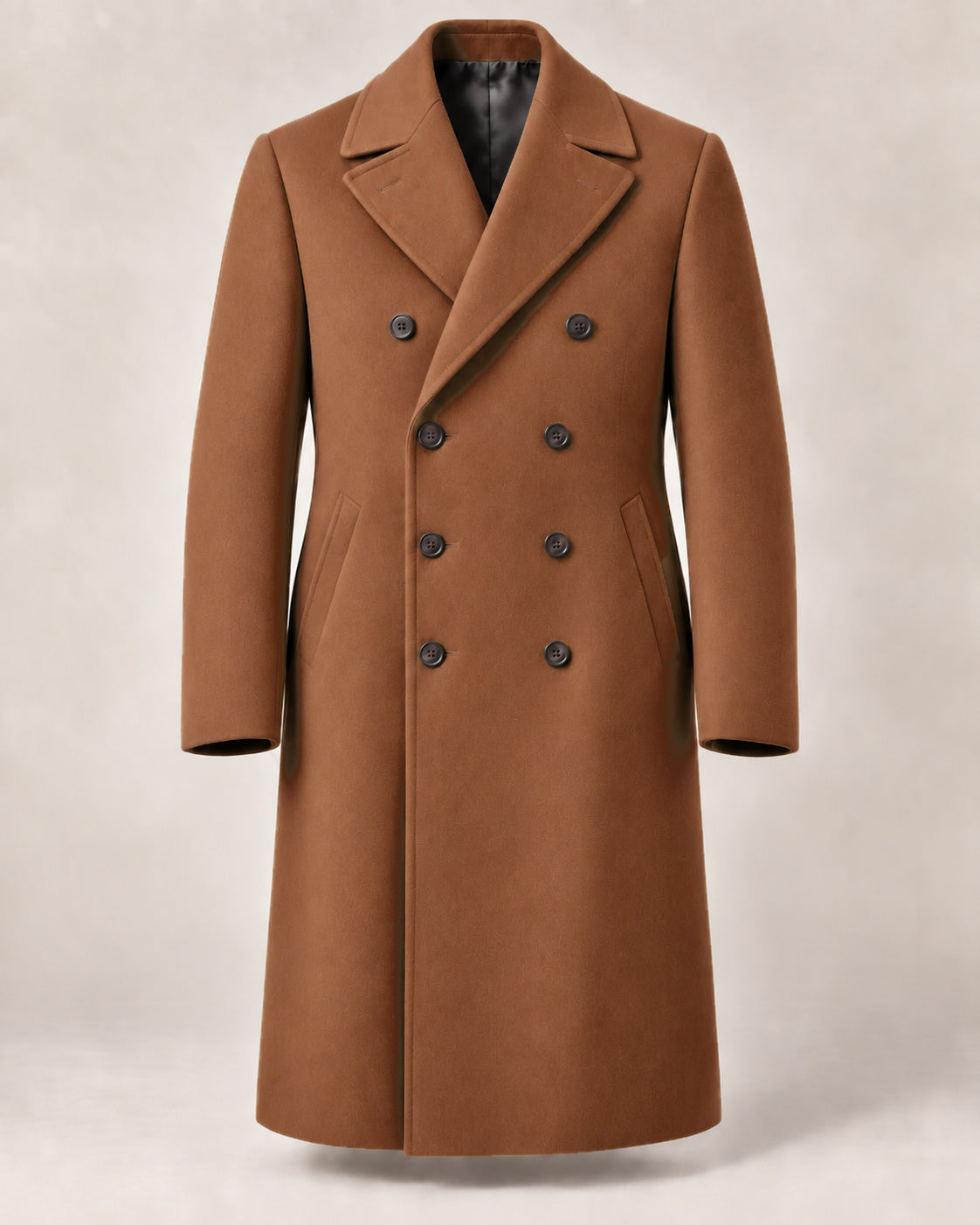
Photograph: Mattapia 63, Grupo familiar territorial · CC BY 4.0 · resized for the web.
